Creating a home office that feels relaxing yet inspires productivity can transform your work-from-home experience. When your workspace is comfortable and calming, it’s easier to stay focused, reduce stress, and maintain a healthy work-life balance. Whether you’re new to remote work or looking to refresh your current setup, these practical tips will help you create an environment that supports your best work.
Choose the Right Location
Start by selecting a dedicated space in your home for your office. A quiet corner or spare room away from household distractions works best. Ideally, find a spot with plenty of natural light, which can boost your mood and energy levels throughout the day.
Maximize Natural Light
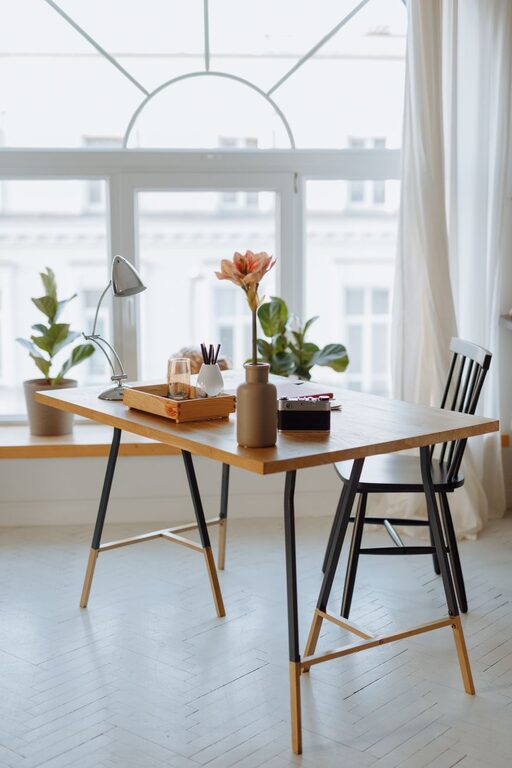
Natural light helps regulate your body clock and reduces eye strain. Position your desk near a window if possible, and use light, sheer curtains to avoid glare while still letting in daylight.
Invest in Comfortable Furniture
Comfort plays a big role in both relaxation and productivity. Spend time choosing furniture that supports good posture and feels inviting.
Ergonomic Chair and Desk
Select an adjustable chair that supports your lower back and allows your feet to rest flat on the floor. Your desk should be at a height where your arms can stay relaxed when typing.
Add Cozy Elements
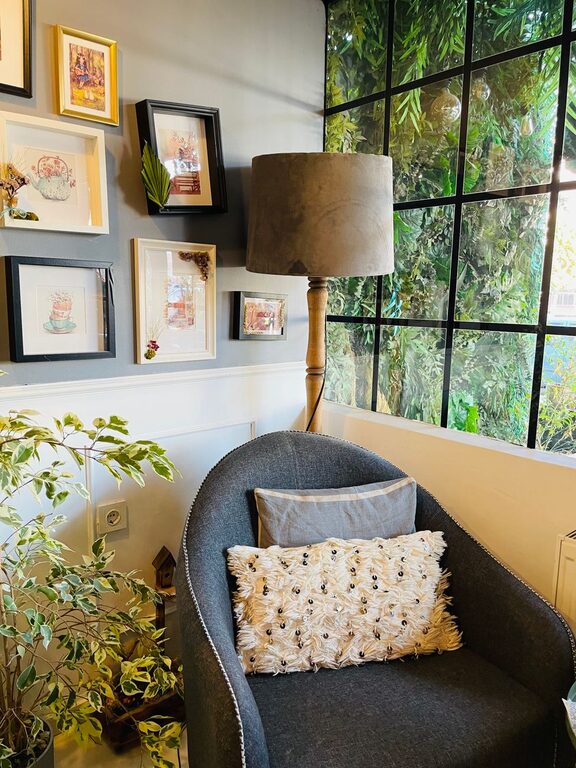
Incorporate cushions, a soft throw blanket, or an area rug to make the space feel warm without compromising on professionalism.
Declutter and Organize
A cluttered workspace can create mental clutter. Keep your desk tidy by organizing essentials with storage solutions.
Use Storage Bins and Drawers
Designate spots for papers, office supplies, and electronics. Drawer organizers and small bins can make it easy to find what you need quickly.
Maintain a Clean Workspace
At the end of each workday, take a few minutes to put things away. This simple habit keeps your environment calm and ready for the next day.
Personalize Your Space Thoughtfully
Adding personal touches can make your office feel like a pleasant place to spend time—but too many items can be distracting.
Display Inspiring Artwork or Photos
Choose images that motivate you or bring peaceful vibes. Keep frames simple and avoid overcrowding walls.
Incorporate Plants
Indoor plants not only improve air quality, but they also add a touch of nature that can reduce stress and increase focus.
Control Sound and Noise Levels
A quiet environment helps maintain concentration, but some background noise can be helpful for some people.
Use Noise-Cancelling Headphones or White Noise Machines
If your home is noisy, noise-cancelling headphones or a white noise machine can reduce distractions.
Play Soft Instrumental Music
Light music, such as classical or ambient sounds, can enhance your mood without interfering with concentration.
Optimize Lighting for Comfort
Good lighting reduces eye fatigue and creates a pleasant atmosphere.
Use Adjustable Desk Lamps
Task lighting allows you to focus light where you need it most. Look for lamps with adjustable brightness or color temperature settings.
Avoid Harsh Overhead Lights
If possible, use soft bulbs or indirect lighting to create a cozy environment.
Manage Technology Wisely
Technology is essential but can also be a source of stress if not managed properly.
Organize Cables and Chargers
Use cable clips or sleeves to keep cords orderly and prevent tangling.
Minimize Screen Glare
Adjust your monitor’s brightness and angle to prevent eye strain. Consider a screen filter if you work in a bright room.
Establish a Routine and Boundaries
A relaxing office environment also depends on how you use it. Setting routines and clear boundaries can improve both comfort and productivity.
Set Working Hours
Define when you start and finish work to create predictability and reduce burnout.
Take Regular Breaks
Step away from your desk regularly to stretch, hydrate, and clear your mind. This keeps you energized and focused.
—
By thoughtfully designing your home office with relaxation and productivity in mind, you create a space where work feels less like a chore and more like an enjoyable part of your day. Small changes like adding plants, managing light, and keeping your space organized can add up to big improvements in your focus and wellbeing. Start with one or two tips and gradually build your ideal home office environment.
About the Author