Creating a dedicated and efficient home workspace can make a significant difference in your daily productivity and overall work satisfaction. Whether you work remotely full-time or occasionally need a quiet spot for focused tasks, organizing your space thoughtfully is key. This guide offers simple, actionable tips to help you set up a home workspace that keeps you motivated and helps you get more done.
Why an Organized Workspace Matters
An organized workspace reduces distractions and helps you maintain focus. When your desk is clutter-free and your tools are easy to find, you’ll waste less time looking for things and more time accomplishing your goals. Plus, a neat environment can improve your mood and reduce stress, making work feel less overwhelming.
Choosing the Right Spot in Your Home
Before diving into organization tips, consider where to place your workspace:
– Quiet Area: Look for a space where you can concentrate without constant interruption.
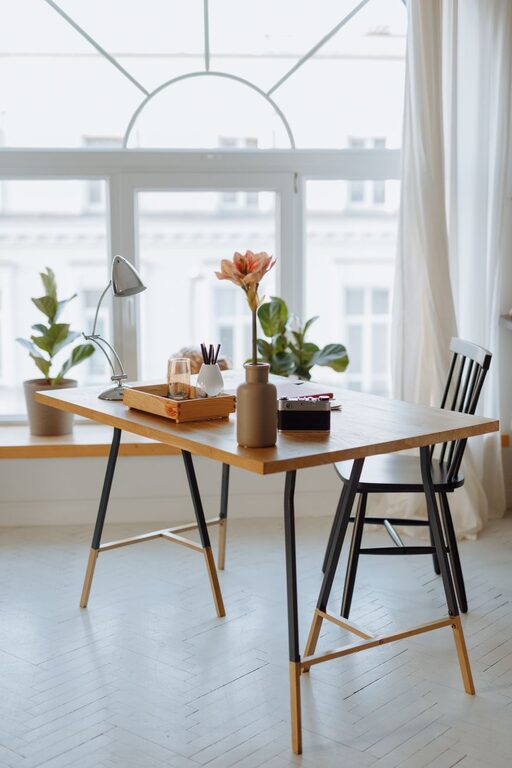
– Natural Light: Position your desk near a window if possible; natural light can boost mood and energy.
– Comfortable Temperature: Avoid spots that tend to be too hot or cold.
– Adequate Space: Ensure there’s enough room for your computer, supplies, and any additional equipment.
If space is limited, even a small corner with a compact desk or a foldable table can work well.
Essential Components of an Organized Workspace
Desk and Chair
Choose a comfortable, ergonomic chair to support good posture throughout the day. Your desk should be large enough for your essentials but not so big that it encourages clutter.
Storage Solutions
Use drawers, shelves, or organizers to keep papers, stationery, and gadgets neatly stored. Containers with compartments can be great for small items like pens and cables.
Lighting
In addition to natural light, add a desk lamp to reduce eye strain during darker hours.
Simple Steps to Organize Your Workspace
1. Declutter Regularly
Begin by clearing everything off your desk and sorting items into categories: keep, store elsewhere, or discard. Repeat this process weekly or monthly to prevent buildup.
2. Use Vertical Space
Wall-mounted shelves or pegboards can hold books, notes, or supplies without occupying desk space.
3. Create Zones
Designate specific areas for different activities—such as a computer zone, paperwork area, and a space for brainstorming or notes.
4. Manage Cables
Use cable clips, ties, or sleeves to bundle wires neatly and avoid tangles.
5. Personalize with Purpose
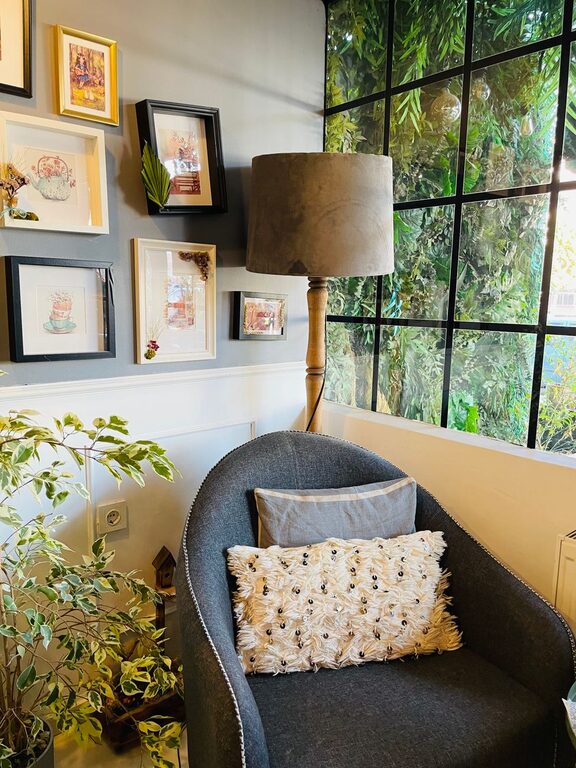
Add a few personal touches like plants or artwork to make the space inviting, but avoid overcrowding your desk.
Boosting Productivity with Workspace Habits
Keep Essentials Within Reach
Store frequently used items close by to minimize interruptions. This could include your phone, planner, or frequently referenced documents.
Set Up a Routine
Start and end your workday with simple rituals like tidying your desk or organizing to-do lists to create a sense of order.
Minimize Digital Distractions
Use apps or browser extensions that block distracting websites during work hours. Keep your phone on silent or in another room if possible.
Take Breaks and Stretch
Regular breaks refresh your mind and reduce physical fatigue. Stand up, stretch, and move around every hour for better focus.
Maintenance Tips for Long-Term Organization
– Weekly Review: Spend 10 minutes each week organizing papers, wiping your desk, and resetting your workspace.
– Simplify Systems: Use simple filing or labeling methods that you’ll actually maintain.
– Adjust as Needed: Your work habits and tools may change, so be flexible and update your workspace accordingly.
Final Thoughts
An organized and productive home workspace doesn’t require expensive equipment or a large area. By choosing the right spot and implementing straightforward organizing strategies, you can create an environment that supports your work goals and helps you stay focused throughout the day. Start with small changes and build routines that make your workspace enjoyable and efficient. With consistency, your home workspace will become a place where productivity thrives.
About the Author