Creating a home office that is both cozy and productive can make a huge difference in your work-from-home experience. Whether you’re attending virtual meetings, focusing on important projects, or simply organizing your day, the right environment helps keep you motivated and comfortable. In this guide, we’ll walk through practical tips to help you design a workspace that balances comfort and functionality.
1. Choose the Right Location
Your office’s location sets the foundation for comfort and productivity. Consider these factors when selecting where to work:
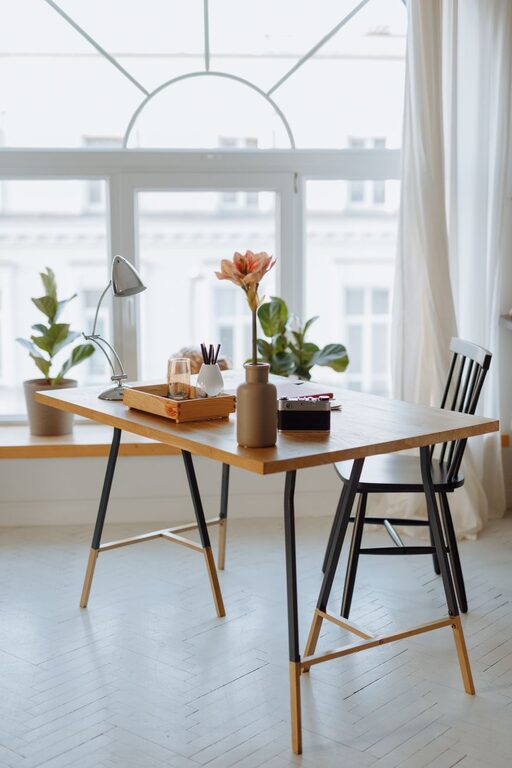
– Natural Light: Try to position your desk near a window. Natural light can boost mood and energy, reduce eye strain, and help regulate your body clock.
– Noise Levels: Find a quiet spot where distractions are minimal. If noise is unavoidable, consider soundproofing options or noise-canceling headphones.
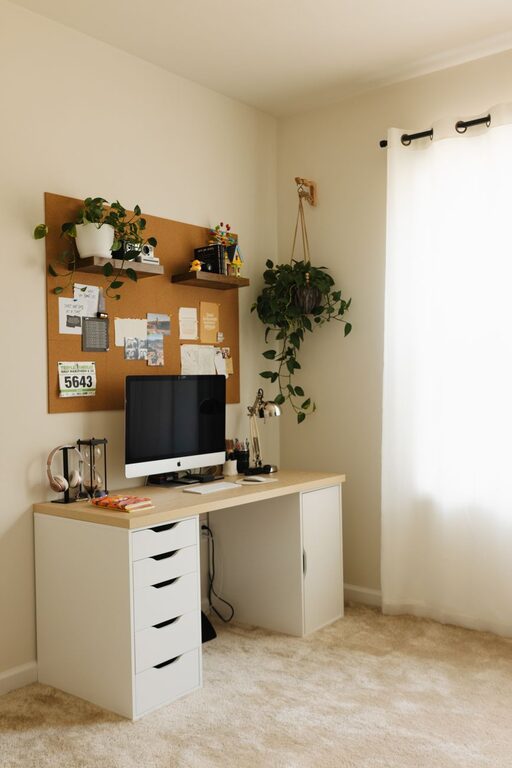
– Space Availability: Even a small corner can become a productive workstation with the right setup, so don’t be discouraged by limited space.
2. Invest in Ergonomic Furniture
Spending hours sitting at your desk means your furniture should support your body well.
– Chair: Select an ergonomic chair that supports your lower back and encourages good posture.
– Desk: Choose a desk at the proper height and size for your work style. Consider adjustable desks that allow you to switch between sitting and standing.
– Monitor Setup: Position your computer screen at eye level, about an arm’s length away, to reduce neck and eye strain.
3. Optimize Lighting
A well-lit space enhances focus and reduces fatigue.
– Layered Lighting: Combine ambient (general room light), task (desk lamp), and accent lighting for flexibility.
– Warm vs Cool Light: Warm light creates a cozy atmosphere, while cool light encourages alertness. Use a balance depending on your work hours and preferences.
– Avoid Glare: Arrange your screen and light sources to minimize glare, which can be tiring for your eyes.
4. Personalize Your Space
Your environment influences how you feel. Adding personal touches can make your office inviting.
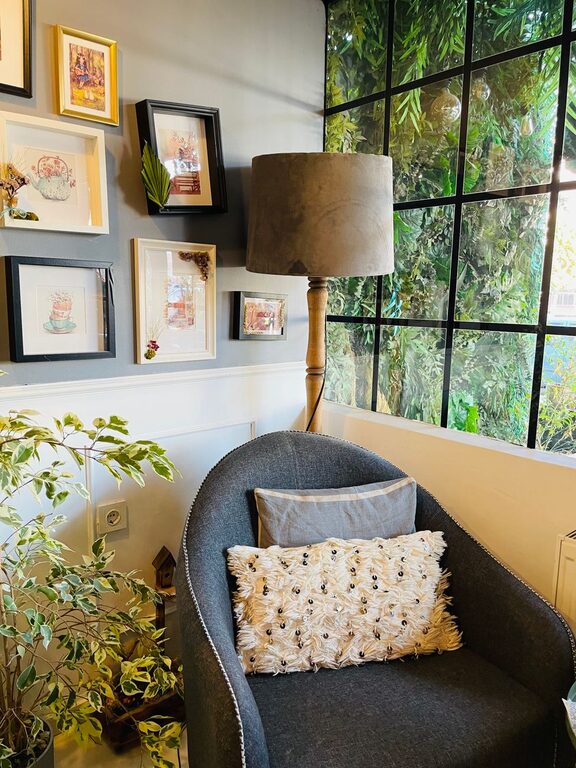
– Decor: Add a few favorite items like artwork, plants, or photos to inspire and relax you.
– Color Scheme: Choose calming colors such as soft blues, greens, or neutrals. For a boost in energy, small accents of brighter colors can help.
– Comfort Items: A soft rug, cushions, or a cozy throw can create a welcoming vibe.
5. Organize Efficiently
An orderly workspace reduces distractions and streamlines your workflow.
– Declutter Daily: Keep only essentials on your desk and store the rest.
– Storage Solutions: Use shelves, drawers, or organizers to keep supplies within reach but off the main work surface.
– Cable Management: Use clips or sleeves to keep cords tidy and prevent tangling.
6. Incorporate Technology Thoughtfully
Technology supports your work, but it should not overwhelm your space.
– Essential Devices: Have the tools you need — laptop, printer, second monitor — but avoid crowding your desk.
– Charging Stations: Designate spots for charging phones and gadgets to keep them powered without extra clutter.
– Wireless Accessories: Consider wireless keyboards and mice to reduce cable mess.
7. Schedule Break Zones and Movement
Creating a cozy and productive workspace also means taking care of your body and mind.
– Break Area: If possible, have a comfortable chair or small corner where you can stretch, relax, or read briefly.
– Movement: Set reminders to stand up, stretch, or walk around to increase circulation and reduce fatigue.
– Greenery: A small plant can improve air quality and add a touch of nature, which can be calming during breaks.
8. Set Boundaries
To maintain productivity and comfort, defining clear work boundaries is important.
– Work Hours: Establish specific working hours and make them known to household members.
– Visual Cues: Use a room divider, curtain, or “do not disturb” sign if needed to signal when you are working.
– Digital Boundaries: Manage notifications and create focus time to avoid digital interruptions.
Conclusion
A cozy and productive home office combines thoughtful design, comfort, and organization. By carefully selecting your location, investing in ergonomic furniture, optimizing lighting, personalizing your space, and maintaining order, you set yourself up for success. Remember to incorporate breaks and set clear boundaries to help sustain both your well-being and focus throughout the day. With these tips, your home office can be both your sanctuary and your productivity hub.
About the Author