Creating a comfortable and efficient home office space is essential for anyone working remotely or managing tasks from home. A well-designed workspace can improve focus, increase productivity, and make your workday more enjoyable. In this post, we’ll explore practical tips to help you create a cozy and productive home office that fits your needs.
Choose the Right Location
Consider Natural Light
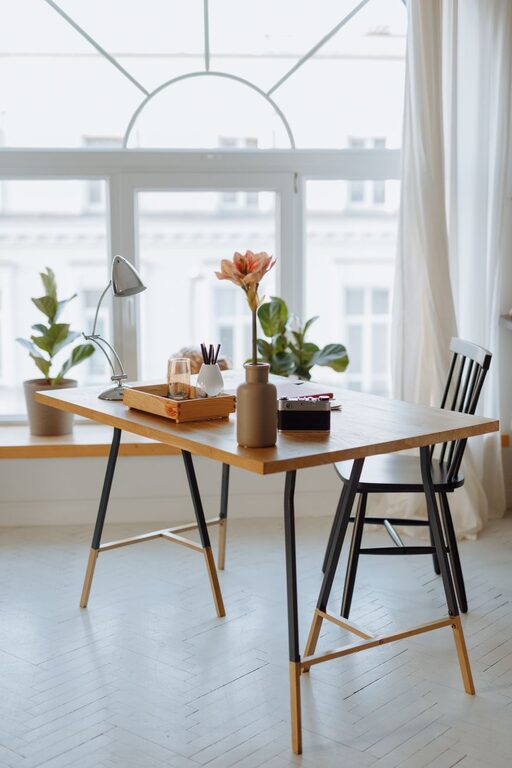
One of the most important factors for a pleasant home office is natural light. Position your desk near a window if possible, as daylight can improve mood and reduce eye strain. Avoid glare on your computer screen by angling your monitor or using adjustable blinds.
Minimize Distractions
Select a quiet spot away from high-traffic areas, noise, or interruptions. If space is limited, consider using room dividers or noise-canceling headphones to create a focused environment.
Invest in Comfortable and Functional Furniture
Ergonomic Chair
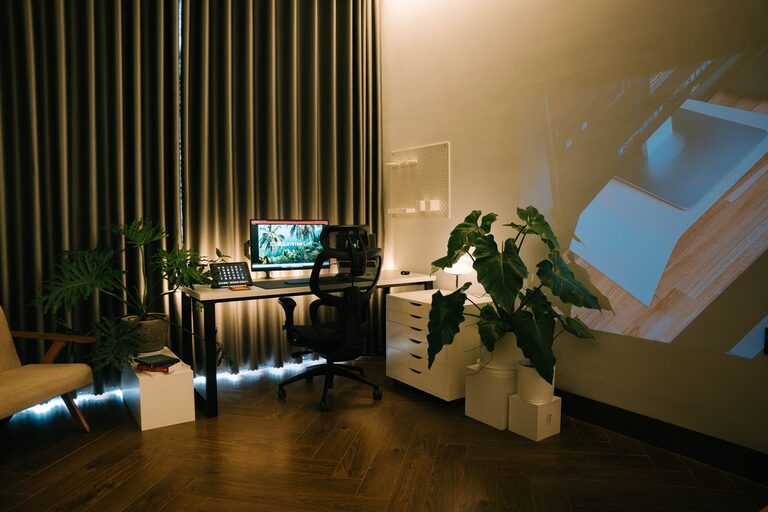
An ergonomic chair supports good posture, reducing the risk of back pain. Look for a chair with adjustable height, lumbar support, and comfortable cushioning.
Proper Desk
Your desk should offer enough space for your computer, keyboard, and other essentials. If space is tight, consider a wall-mounted or foldable desk. Standing desks or adjustable sit-stand desks are great options to alternate positions throughout the day.
Organize to Maximize Efficiency
Declutter Your Space
Keep only the items you regularly use on your desk. A clutter-free workspace helps reduce stress and distractions.
Use Storage Solutions
Utilize shelves, drawers, and organizers to keep paperwork, office supplies, and personal items neatly arranged. Label containers for easy access.
Cable Management
Tidy up cords and cables with clips, sleeves, or cable boxes. This not only improves aesthetics but also prevents tangles and hazards.
Personalize Your Workspace
Add Cozy Elements
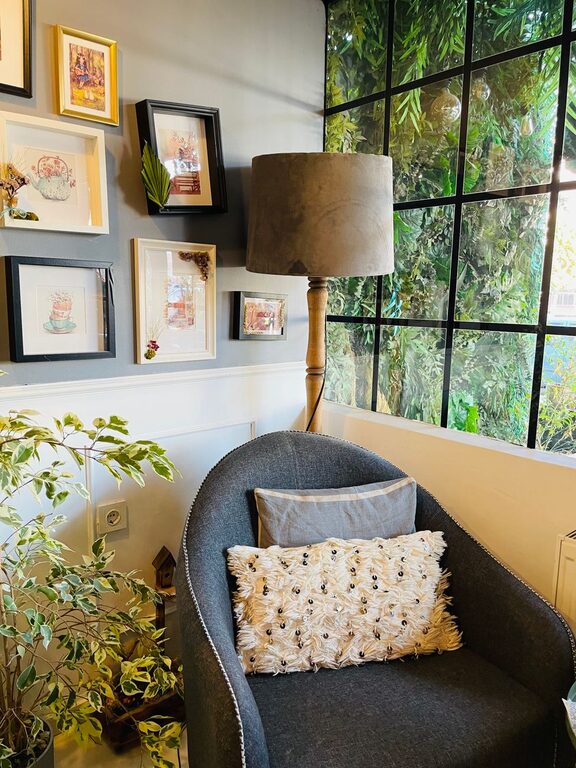
Incorporate soft textiles like cushions, a rug, or a throw blanket. These touches create warmth and comfort.
Incorporate Plants
Plants improve air quality and create a calming atmosphere. Choose low-maintenance options like succulents or snake plants if you don’t have a green thumb.
Use Personal Decor
Photos, artwork, or sentimental objects can make your workspace more inviting and motivating. However, avoid overloading the area to maintain a clean and focused environment.
Optimize Lighting for Work
Layer Your Lighting
Combine natural light with ambient, task, and accent lighting. Use desk lamps with adjustable brightness and color temperature to reduce eye strain during late hours.
Avoid Harsh Lights
Opt for soft white or warm light bulbs rather than bright fluorescent lighting, which can be tiring.
Manage Technology Wisely
Reliable Internet Connection
Ensure your internet speed is sufficient for video calls, downloads, and uploads. Consider upgrading your router or using ethernet for stable connectivity.
Quality Equipment
Use a good quality monitor, keyboard, and mouse that feel comfortable and improve efficiency. Don’t forget to invest in a headset or microphone for clearer communication during meetings.
Backup and Security
Regularly back up your work and use antivirus software to keep your data safe.
Establish a Routine and Boundaries
Set Work Hours
Define consistent start and end times to separate work and personal life. Communicate these boundaries with family or roommates to minimize interruptions.
Take Breaks
Incorporate short breaks to stretch, walk, or relax your eyes. This can enhance concentration and prevent burnout.
Keep the Air Fresh and Temperature Comfortable
Good ventilation and a comfortable temperature contribute significantly to productivity and wellbeing. If needed, use a fan, heater, or air purifier to maintain an ideal environment.
Conclusion
Creating a cozy and productive home office is all about balancing comfort with functionality. By carefully selecting your location, investing in quality furniture, organizing your space, and personalizing it to your taste, you can develop a workspace that supports your daily tasks and keeps you motivated. Remember, a well-designed office not only makes work easier but also more enjoyable!
About the Author