
Creating a relaxing home office environment is essential for maintaining focus, reducing stress, and enhancing productivity. Whether you work from home full-time or occasionally, your workspace plays a crucial role in how you feel and perform during your workday. This post offers practical tips to help you design a calming, organized, and inspiring home office.
Why a Relaxing Home Office Matters
A comfortable and relaxing workspace improves concentration and creativity by reducing distractions and stress. When your environment supports your mood and work habits, you’re more likely to stay motivated and enjoy your work.
1. Choose the Right Location
Consider Natural Light
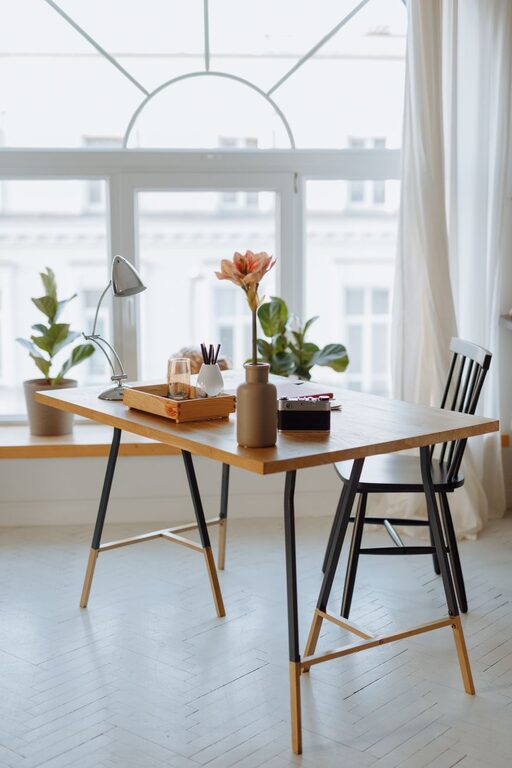
Place your desk near a window to take advantage of natural light. Sunlight positively affects your mood and can reduce eye strain. If natural light is limited, use soft, adjustable lighting to brighten your space without harsh glare.
Minimize Noise and Distractions
Select a quiet part of your home, away from high-traffic areas if possible. Use noise-canceling headphones or a white noise machine to block disruptive sounds if needed.
2. Invest in Comfortable Furniture
Ergonomic Chair and Desk
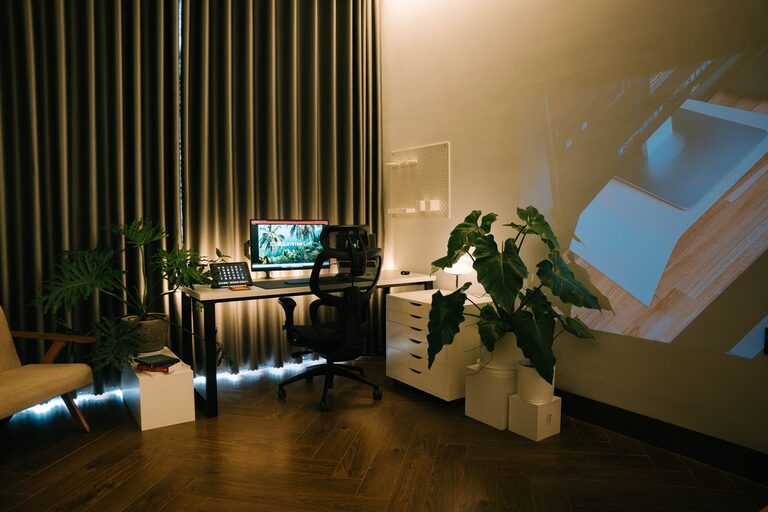
Choose an ergonomic chair that supports proper posture and is adjustable to your height. A desk with enough space for your computer, notes, and accessories helps keep you organized.
Add Supportive Accessories
Consider a footrest, keyboard wrist pad, or monitor stand to reduce strain on your body. Comfort contributes directly to a more relaxing workday.
3. Personalize Your Space
Add Soothing Colors
Soft, neutral, or pastel colors tend to create a calming atmosphere. You can paint the walls, add a colorful rug, or use accessories in shades like light blue, green, or beige.
Bring in Personal Touches
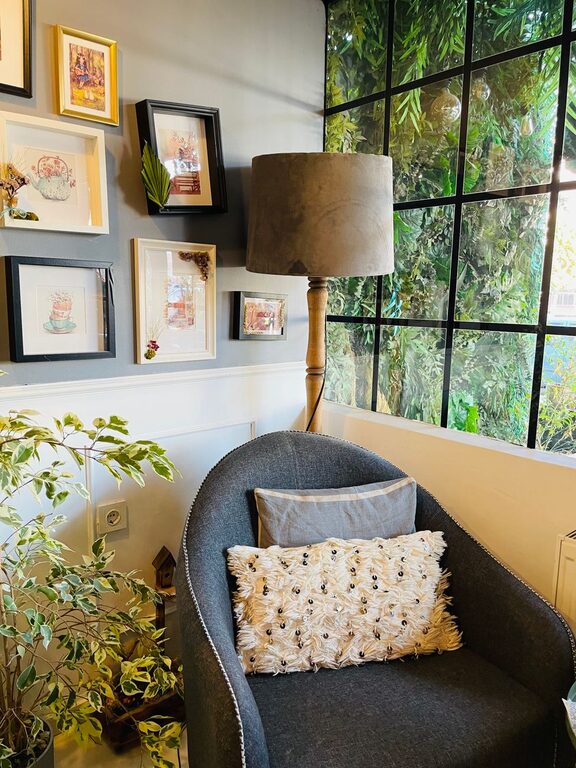
Frames with family photos, artwork, or inspiring quotes can make the space feel welcoming. Just be careful not to overcrowd your desk with too many items.
4. Incorporate Nature
Plants not only add visual interest but also improve air quality and reduce stress. Choose low-maintenance houseplants like succulents, snake plants, or peace lilies. A small vase of fresh flowers can also brighten your desk area.
5. Maintain a Clutter-Free Workspace
Organize Your Supplies
Use storage bins, drawer dividers, and shelves to keep supplies tidy and within reach. Clear your desk of anything you don’t need daily.
Develop a Daily Cleanup Routine
Spend a few minutes at the end of your workday tidying your desk. A clear space makes it easier to start fresh the next morning.
6. Use Calming Scents and Sounds
Aromatherapy
Diffusing essential oils such as lavender, eucalyptus, or chamomile can promote relaxation. Choose subtle scents that won’t overpower your senses.
Background Music or Ambient Sounds
Playing soft instrumental music, nature sounds, or white noise can help you stay focused and maintain a serene atmosphere.
7. Balance Technology Use
Manage Screen Time
Take regular breaks using the 20-20-20 rule: every 20 minutes, look at something 20 feet away for 20 seconds to reduce eye strain.
Keep Devices Organized
Use cable organizers to reduce tangled cords and mounts to position your screen at eye level.
8. Allow Space for Movement
Sitting for long periods can cause discomfort and decrease productivity. Incorporate a small area for stretching or brief exercises. Consider a standing desk converter for the option to alternate between sitting and standing.
9. Set Boundaries Between Work and Personal Life
Having a dedicated workspace helps maintain a mental boundary between work and relaxation. When the workday ends, leave your workspace or close your laptop to signal that it’s time to unwind.
Conclusion
Creating a relaxing home office doesn’t require a major overhaul. Thoughtful choices in location, furniture, décor, and organization can establish a calm and productive environment. A well-designed workspace supports your well-being, making it easier to focus and enjoy your workday. Try these tips to transform your home office into a space where productivity and relaxation go hand in hand.
About the Author